
If you’re on a standard variable tariff (SVT), you’ll want to know that Ofgem has confirmed the new energy price cap for 1 January to 31 March 2026 — and it’s £1,758 a year for a typical dual-fuel household paying by Direct Debit. That’s a small increase of around 0.2% compared to the previous cap (October–December 2025). While it’s not a dramatic change, it still matters, as so many households remain on standard tariffs and feel even small increases over the colder months.
The phrase “price cap” can be a bit misleading though. A lot of people hear that £1,758 figure and assume it’s the maximum they’ll pay in total for the year. In reality, the cap is a limit on the unit rates suppliers can charge for gas and electricity, plus the standing charge you pay each day. Your final bill still depends on how much energy you use. So the best way to think of it is this: it’s a cap on prices, not a cap on your usage.
What is the Energy Price Cap and Who Does it Apply to?
Ofgem introduced the energy price cap to help protect households from being charged unfairly high rates, especially those who haven’t switched to a fixed deal. If you’re on a standard variable tariff, the cap applies automatically.
Ofgem explains that the cap covers customers paying by Direct Debit, standard credit, prepayment meter, and Economy 7 (where applicable), as long as you’re not on a fixed tariff. That means you don’t need to apply for it — if you’re on the right type of tariff, it’s already working in the background.
What are the New Rates From 1 January 2026?
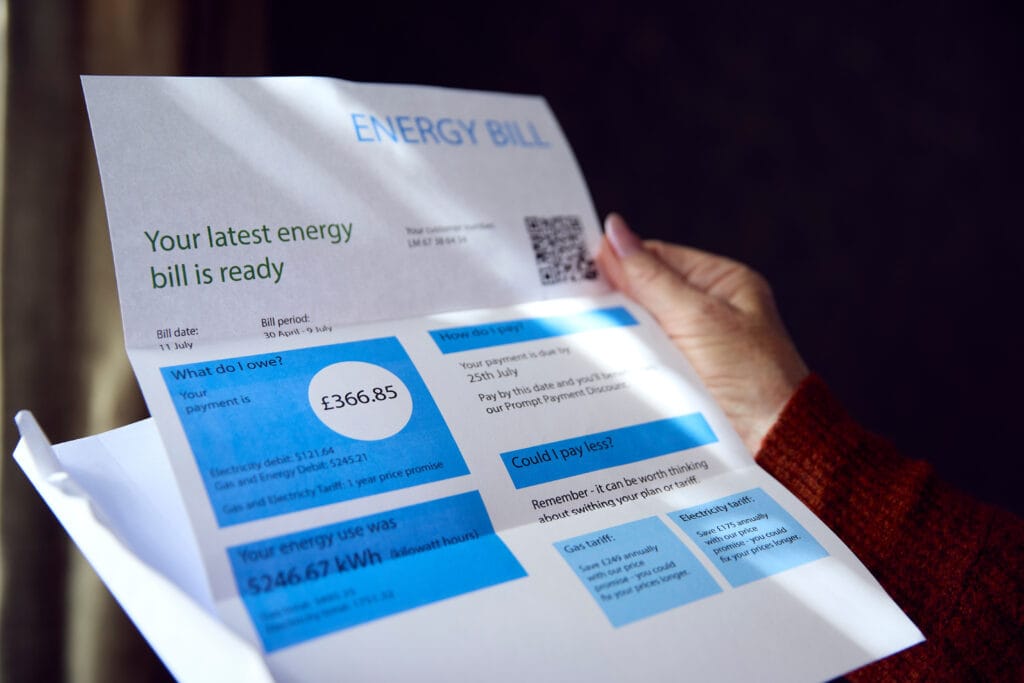
For households paying by Direct Debit in England, Scotland and Wales, the January–March 2026 cap sets electricity at 27.69p per kWh with a standing charge of 54.75p per day, and gas at 5.93p per kWh with a standing charge of 35.09p per day. Ofgem notes that these rates vary slightly depending on region, but these figures give a good sense of what’s changing and why the annual “typical bill” estimate moves each quarter.
One key point is that even when the overall cap changes only slightly, the balance between unit rates and standing charges can shift. Some households may find their bills feel different compared to previous months depending on how much they use, how their home is heated, and how heavily they rely on electricity versus gas.
Will Your Bill Go Up?
Possibly — but it depends on your usage. The £1,758 figure is based on “typical household energy use,” not a guarantee. If you use less than the average, you could pay less. If you use more, you could pay more. It’s also worth remembering that January to March is typically one of the highest-usage periods of the year, so even small changes to unit rates and standing charges can show up more clearly on your bill during winter.
What if You’re on a Fixed Tariff?
If you’re on a fixed deal, the price cap doesn’t directly affect you. Your rates stay the same for the length of your contract, which can be reassuring when prices are unpredictable. However, fixed tariffs can come with exit fees, so it’s always worth checking the small print before switching. And if your fix is ending soon, the price cap can be a helpful benchmark for comparing what you’re being offered next.
A Quick Reminder For Businesses
Remember, the Ofgem price cap is for domestic customers only. Businesses aren’t covered by it, and business energy rates are set by the contract you agree with your supplier. If you run a business and your energy costs feel like they’re creeping up, the best thing you can do is keep an eye on renewal dates and review whether your current deal still makes sense.
At Reduce My Costs, we’re experts in business energy, so if you feel like reviewing your rates, get in touch with our team today and we’ll see if we can save you some money on your energy bills!
What Should You Do Now?
It’s a good time to review your tariff and check whether you’re on a standard variable plan, because that’s where the cap matters most. Ofgem reviews the cap every three months, and the next announcement is expected by 25 February 2026 for the period 1 April to 30 June 2026. If you want help understanding what you’re paying or exploring options to reduce your outgoings, Reduce My Costs is here to help you make sense of it all — and keep your bills as manageable as possible.