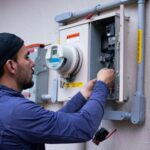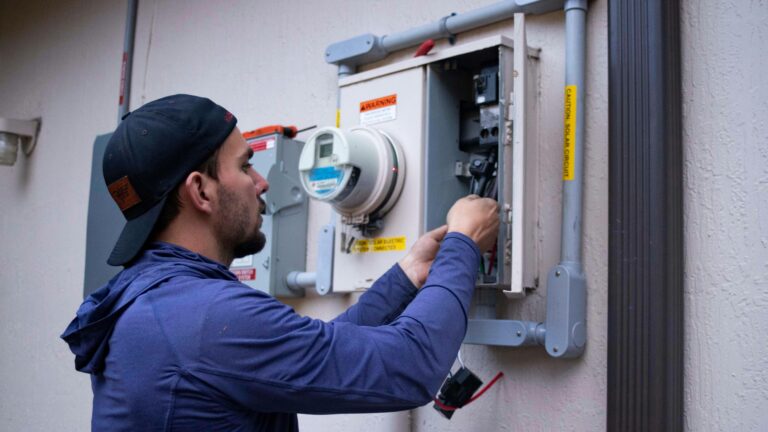

From 23 February 2026, new Guaranteed Standards of Performance (GSOP) for smart meters are kicking in — and they could bring automatic compensation if your energy supplier doesn’t deliver the service you expect. These changes are aimed at tackling issues with appointment delays, failed installs and slow responses to problems, so you and your business get better service and clearer expectations from energy suppliers when it comes to your smart metering.
What These New GSOP Rules Mean
Under the updated standards, if your supplier doesn’t meet key service milestones, you could be owed £40 — automatically. These rules apply to domestic and microbusiness customers, so many small businesses could benefit where service falls short.
Ofgem consulted on four new smart-meter-related GSOPs. GSOPs 1–3 are going live from 23 February 2026, and GSOP 4 is planned for later once some wider technical and accountability issues are worked through.
GSOP 1: Installation appointment availability:
If you request a first-time smart meter installation, your supplier must offer an appointment within the required timeframe, otherwise compensation applies.
GSOP 2: Failed installations:
If a smart meter installation fails due to something within the supplier’s control, compensation applies.
GSOP 3: Investigating smart meter operational issues:
If you report a smart metering problem, your supplier must assess it, take appropriate action, and offer an update within 5 working days — or compensation applies.
GSOP 4: Smart meters not operating in smart mode:
This is the one aimed at meters that aren’t operating in smart mode for a sustained period, but Ofgem hasn't made a final decision yet and expects to take it forward later.
Why This Matters For Businesses
In plain terms: suppliers are being pushed to stop treating smart metering installs and faults like a “nice-to-have” service. If you’re a microbusiness, these service standards are designed to reduce the runaround and put real consequences on poor delivery.
It also matters because the market is moving toward contracts that assume smart metering is in place. The government’s non-domestic consultation describes a world where fixed-term contracts are often significantly cheaper than alternatives like out of contract or deemed rates, and where smart-contingent terms can be enforced if a customer doesn’t follow through on agreeing to an install.
Smart Metering Tied To Fixed-Term Energy Contracts
Based on the current proposals, from 1 January 2027 suppliers would be blocked from entering new fixed-term contracts with non-domestic customers unless the premises has, or the customer agrees to have, a smart or advanced meter installed.
The same consultation also flags how enforcement can work in practice: if a customer doesn’t comply with smart-contingent terms, suppliers could remove access to the fixed-term contract and move the customer onto deemed or out of contract rates.
What You Should Do Next
If you’ve already got a smart meter but it’s been unreliable, it’s worth logging issues properly with your supplier so there’s a clear trail if service standards aren’t met once GSOPs 1–3 go live. If you don’t have one yet and you’re renewing or switching in the next year, it’s worth thinking ahead. With 2027 changes being consulted on now, the direction of travel is pretty clear: staying on older metering for longer could limit your fixed-term options, or push you onto pricier default rates depending on supplier terms.
At RMC, we keep an eye on the regulatory changes so you don’t have to. We can review your contract position, check your renewal window and make sure your metering setup isn’t going to limit your options or push you onto higher rates.