
Running a business isn’t cheap, and energy bills are often one of those costs that just keep creeping up. With prices changing all the time, it’s easy to feel like you’re stuck paying more than you should.
The good news is, cutting your energy costs doesn’t have to mean big changes or huge investment. In most cases, it’s the small, simple tweaks that can make the biggest difference.
1. Start With Your Everyday Habits
One of the easiest ways to reduce energy costs is by looking at how energy is used day to day. Small habits, when repeated across a team, can quickly add up. Making sure lights are switched off when rooms aren’t in use, shutting down equipment at the end of the day, and avoiding unnecessary heating or cooling are all simple but effective actions.
Encouraging staff to be more aware of energy use can help build a culture where saving energy becomes second nature. Even something as straightforward as assigning responsibility for end-of-day checks can prevent energy being wasted overnight.

2. Upgrade to Energy-Efficient Lighting
Lighting is a major contributor to energy bills, especially for businesses that operate long hours or have large premises. Switching to LED lighting is one of the quickest wins. LEDs use up to 90% less energy than traditional bulbs and last much longer, meaning you save on both electricity and replacement costs.
It’s also worth considering motion sensors in areas like corridors, toilets, and storage rooms. These ensure lights are only on when needed, reducing unnecessary usage without any effort from your team.
3. Consider Generating Your Own Energy
If you’re looking to make bigger savings over time, generating your own energy could be worth exploring. Solar panels are becoming an increasingly popular option for businesses, helping reduce reliance on suppliers and protect against rising prices.
While there’s often somewhat of an upfront cost, there are lots of funding opportunities available to make it manageable, and the long-term savings can be significant, especially if your business uses a lot of energy during the day. You may also be able to sell excess energy back to the grid through the Smart Export Guarantee, creating an additional source of income.
It’s not the right fit for every business, but if you’ve got the space and the usage to match, it’s definitely something to consider as part of a longer-term energy strategy.
4. Review Your Energy Tariff
Many businesses stay on the same energy tariff for years without realising there could be better deals available. Reviewing your contract regularly ensures you’re not paying more than you need to.
Energy suppliers offer a range of tariffs, and what worked a year ago may not be the best option today. By comparing prices and exploring new deals, businesses can often secure more competitive rates by making the switch.
5. Use Smart Technology
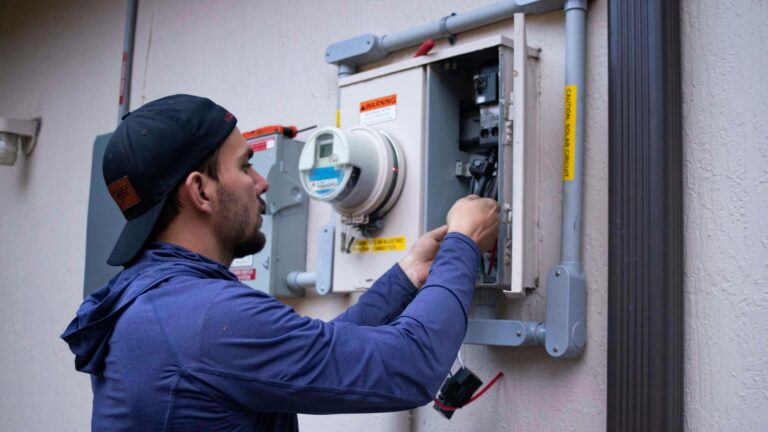
Smart meters and energy monitoring tools give you a clearer picture of how your business uses energy. With real-time data, you can spot patterns, identify waste, and make informed decisions about where to cut back.
For example, you might notice certain equipment is left running longer than necessary or that energy usage spikes at specific times. With this insight, it becomes much easier to make targeted changes that lead to real savings.
6. Maintain Equipment Properly
Outdated or poorly maintained equipment can be a hidden drain on energy. Appliances that aren’t running efficiently often use more power than they should, increasing your overall costs.
Regular servicing and timely upgrades can improve efficiency and extend the lifespan of your equipment. Even simple actions like cleaning filters or ensuring machines aren’t overworked can start to make a noticeable difference. Plus, you’re less likely to have to shell out unexpected costs all in one go to get something serious repaired.
While quick wins are important, it’s also worth thinking about longer-term improvements. Investing in more efficient equipment, improving insulation, or exploring renewable energy options can lead to bigger savings over time.
Every business is different, so the best approach will depend on your setup, usage, and goals. The key is to start with the easy changes and build from there.
Saving on business energy doesn’t have to be complicated. By making a few smart adjustments and staying aware of how energy is used, businesses can reduce costs, improve efficiency, and create a more sustainable way of working. For more guidance on lowering business energy costs, get in touch with our expert team today!