
If you’ve never really thought about your business energy meter, you’re not alone. For most businesses, it’s one of those things that just sits in the background doing its job. But with energy costs still a big concern, your metering setup could actually be holding you back from saving money or managing your usage properly.
Metering upgrades and MOP agreements might sound technical, but they’re simpler than you think and can make a real difference to how your business handles energy.
What Is a Metering Upgrade?
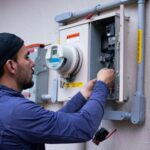
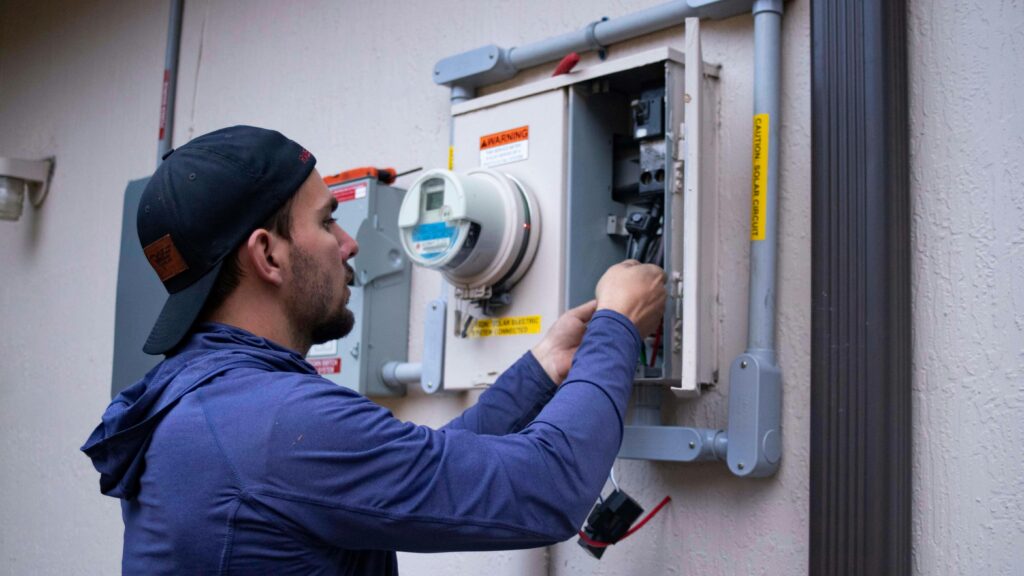
Getting a metering upgrade means replacing or improving your current electricity meter with a more advanced one. Many businesses are still using older meters that only record basic usage. These tend to be less accurate, offer limited data, and don’t give you much insight into how or when your energy is being used.
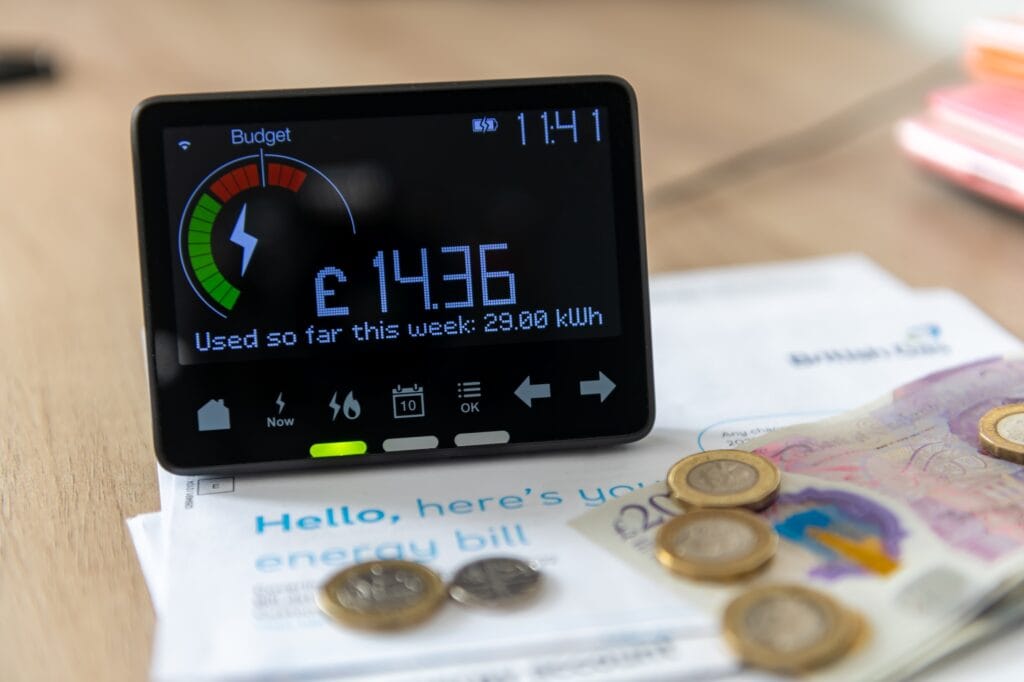
Upgraded meters, such as smart or advanced half-hourly meters, automatically record detailed usage data. This means you can see exactly when your business is using energy throughout the day, rather than just getting a total at the end of the month.
It’s also worth noting that smart meters are becoming more of standard than a nice extra. From February 2026, new Guaranteed Standards of Performance (GSOP) came into effect, meaning suppliers now have stricter rules around installation, fault handling and service levels, with automatic compensation if they fall short.
There are also changes expected around 2027 that could impact businesses without a smart or advanced meter. In some cases, suppliers may not offer standard contracts unless a suitable meter is in place, which could leave businesses on more expensive deemed rates, so it’s definitely worth upgrading your meter if you haven’t already.
Half-Hourly Meters, Data and MHHS Explained
Half-hourly meters take things a step further by recording your electricity usage every 30 minutes. This creates a detailed picture of how your business consumes energy throughout the day, rather than relying on averages or estimates.
The biggest benefit here is insight. With half-hourly data, you can pinpoint exactly when your usage is highest and start making informed changes. That could mean shifting certain operations to off-peak times, identifying inefficient equipment, or simply spotting waste that would have otherwise gone unnoticed.
This type of data is also becoming more important with the implementation of Market-Wide Half-Hourly Settlement, often referred to as MHHS. This industry-wide change is designed to ensure that energy is settled based on actual usage instead of estimates. In simple terms, the more accurate your data, the fairer your billing and the more opportunities you have to benefit from flexible tariffs.
Having a half-hourly meter in place means your business is already aligned with these changes. It puts you in a stronger position to make smarter energy decisions and take advantage of future pricing structures as they evolve!
Why Businesses Should Consider Upgrading Their Meter
Upgrading your meter isn’t just about getting newer kit in place. It’s about giving your business a clearer picture of how you’re actually using energy day to day.
With a more advanced setup, you can start to spot patterns in your usage. You might notice spikes at certain times, or realise equipment is being left on when it doesn’t need to be. Once you can see where energy is going, it becomes much easier to cut back on waste.
You’ll also benefit from more accurate billing. Older meters can sometimes mean estimated bills, which aren’t always the easiest to plan around. A modern meter keeps things based on your real usage, so there are fewer surprises.
On top of that, you could unlock better energy rates. Some suppliers offer more competitive tariffs for businesses with half-hourly meters, as they can see exactly how energy is being used. That can lead to smarter contracts and potential savings.
What Is a MOP Agreement?
MOP stands for Meter Operator. A MOP agreement is a contract with a provider who is responsible for installing, maintaining, and managing your electricity meter.
If your business has, or is moving to, a half-hourly meter, you’ll usually need a MOP agreement in place. The MOP ensures your meter is working correctly, meets industry standards, and continues to provide accurate data.
Think of it as the support system behind your metering setup. Without a MOP agreement, your meter wouldn’t be properly maintained or compliant, which could lead to issues with billing or data accuracy.
How MOP Agreements Work In Practice
With a MOP agreement in place, your provider handles everything to do with your meter. That means installation, maintenance, and any repairs that pop up along the way, so you don’t have to worry about it.
They’ll also keep an eye on how your meter is communicating, especially if you’ve got a smart or half-hourly meter sending data automatically. If anything goes wrong, they’ll sort it quickly and get things back on track.
A lot of businesses don’t even realise they’ve already got a MOP agreement bundled into their energy setup. That said, it’s always worth taking a second look, as there could be better-value or more suitable options out there.
Is It Worth Reviewing Your Setup?
The short answer is yes. If it’s been a while since you checked your metering setup, there’s a good chance there are some easy wins waiting. It might not be the most exciting topic, but it can make a real difference to your costs and how smoothly things run day to day.
At RMC, we help businesses keep things simple. Whether it’s upgrading your meter, reviewing what you’ve already got in place, or just making sure everything’s running as it should, a quick check could save you more than you think.